"Microphone" pulls real search volume on ClearPick with nothing built to answer it yet, so this ranks the four microphones in ClearPick's catalog by score and by what 56 verified Reddit mentions actually say. We dropped the Logitech StreamCam from this guide — it's a webcam, not a microphone, and it doesn't belong here even though it showed up in the source data. What's left is a genuine room-noise-versus-plug-and-play tradeoff: the mics that reject room noise best need the most extra gear, and the easiest mic to set up is also the one owners argue about most.
1. Shure SM7dB — the best score, but unverified by owners yet
The SM7dB posts the highest score in this guide, 9.1/10, and on paper it fixes the SM7B's biggest complaint: a built-in +18/+28 dB active preamp means it drives a basic audio interface without a separate Cloudlifter. There are zero verified Reddit owner mentions for this specific listing, so treat the score as spec- and verdict-driven rather than owner-tested. It's still an XLR mic requiring a standard interface, and at $479 CAD it's the second-most expensive option here — the premium buys broadcast-grade room rejection and a gain problem solved on paper, not yet confirmed by an owner sample.
2. Audio-Technica AT2020 — best value, and the mic room-noise complaints keep circling back to
The AT2020 scores 8.9/10 across 15 verified mentions — 7 positive, 5 mixed, 3 negative. Owners who record in a reasonably quiet room describe it as sounding "very natural," and the price-to-performance ratio gets praised consistently. The recurring complaint is room noise: several owners flag that it picks up more of the room than a dynamic mic, with one directly comparing it to the SM7B and SM58 for noise rejection and preferring the latter. It also needs a separate audio interface with phantom power — budget roughly $120 CAD for a Focusrite Scarlett Solo if you don't already own one.
3. Shure SM7B — best for untreated rooms, if you're willing to add gear
The SM7B scores 7.8/10 across 6 verified mentions (3 positive, 2 mixed, 1 negative). Owners consistently credit it with rejecting room noise that condenser mics like the AT2020 pick up — one bought it after finding a Røde NT1 disappointing in an untreated room and calls the SM7B "so much better" for that use case. The most cited friction point isn't sound quality, it's gain: the SM7B needs significant preamp boost, and most owners end up adding a Cloudlifter or high-gain interface, adding $100–200 CAD to the real cost. Counterfeit units circulating on marketplace sellers are a second flagged risk — one owner explicitly warns to buy from authorized dealers only.
4. Blue Yeti — the mic crowd has cooled on it, but long-term owners mostly stick with it
The Blue Yeti has the largest verified sample in this guide by far — 35 mentions — and also the most divided: 10 positive, 13 mixed, 12 negative. That split matters more than the raw 7.4/10 score. The single most repeated criticism, showing up in roughly a third of mentions, is that it picks up everything in an untreated room; several owners specifically recommend cardioid mode and a boom arm to manage it. At the same time, long-term owners rarely report regret — several describe years of reliable use — and the "Yeti bad" pile-on gets pushed back on by owners who point out it's still a fine mic, just no longer uncontested at its price against 2026 alternatives.
Best For
| Shure SM7dB Active Dy… | Audio-Technica AT2020… | Shure SM7B Microphone | Blue Yeti USB Microph… | |
|---|---|---|---|---|
| Room noise rejection | ✓ | — | ✓ Built for this | — |
| Plug-and-play, no interface | ✓ | — | — | ✓ USB only |
| Value at entry budget | ✓ | ✓ $149 | — | ✓ |
| Verified mention sample size | — | ✓ | ✓ | ✓ 35 mentions |
Who It’s For

You're a serious podcaster who wants broadcast-grade room rejection and a built-in preamp that removes the gain problem — for a price, and without a verified owner track record yet.
See review →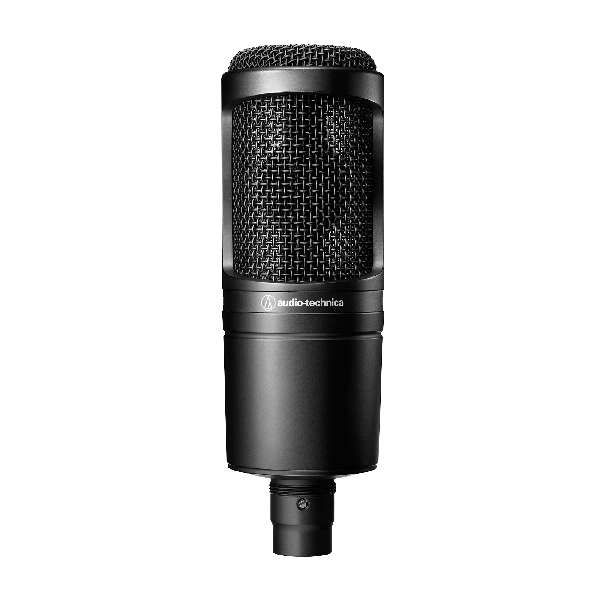
Your room is reasonably quiet, you already have or will buy an audio interface, and you want the best-value first studio mic.
See review →
Your room is untreated and you're willing to add a Cloudlifter or high-gain interface to make it work.
See review →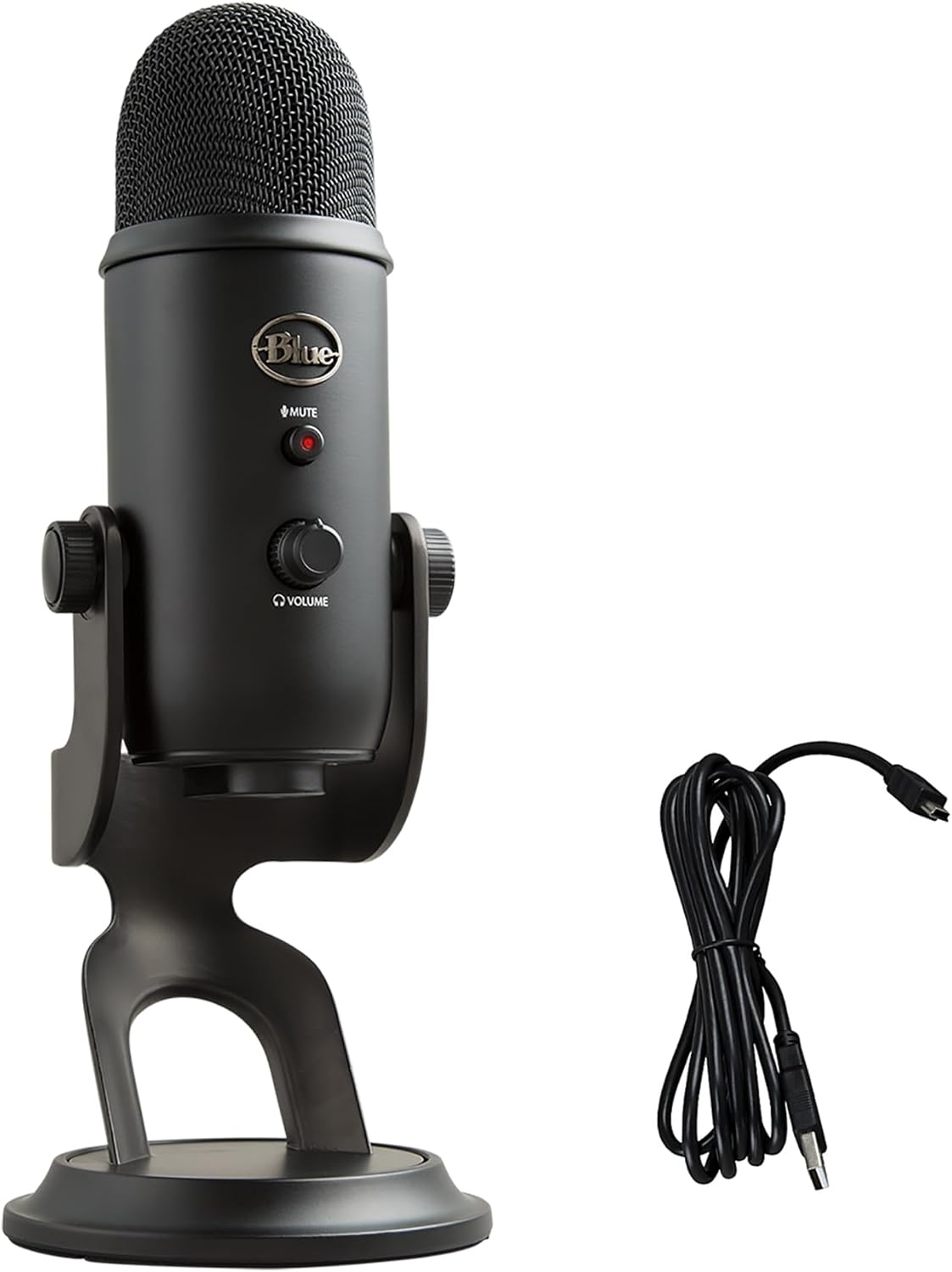
You want true plug-and-play with multiple polar patterns for interviews — just know the mic crowd has cooled on it and room noise is the top complaint.
See review →What owners actually say
What buyers love
“Keep the yeti, it's way more than enough. If you're only using a mic for games, literally anything that isn't broken will do. Friends will notice if you sound like you're talking through a paper cup walkie talkie, but you get diminishing returns quickly...”
r/buildapc
“I have the 2020 and it sounds very natural when I'm close to it. Directional pickup pattern is good, I'm able to take advantage of that to optimize its position in my untreated room.”
r/audio
“I just got it and I love it. I have the Røde NT1 as well, but sm7b is just so much better for me (non treated room)”
r/WeAreTheMusicMakers
Common complaints
Room noise and muddy mids
My main job involves me working with amateur voice actors and I can confirm. Mids sounds weird the lows sound muddy and the highs are harsh. It also doesn't help that 99% of people who have one are in an untreated room while also being next to their pc fans and a desk.
r/audioengineeringPicks up everything in the room
yep i had the 2020 and you could hear a flea fart across the room. got the sm58, and while it has its own challenges, it is vastly better in noise rejection.
r/TwitchCounterfeits circulate on marketplace listings
I'd be careful on ebay/marketplaces a lot of fakes going around
r/buildapcsalesThe right mic here depends on your room, not your budget. If your space is untreated — echo, keyboard noise, HVAC hum you can hear when you're quiet — the SM7B or SM7dB are the recommendations owners keep circling back to, with the SM7dB solving the SM7B's gain problem at a $479 CAD premium and no owner track record yet to confirm it in practice. If your room is reasonably quiet, the AT2020 at $149 CAD remains the clearest entry-level pick, backed by 15 mentions that mostly hold up, though budget for a basic audio interface on top of the sticker price since neither mic here is USB. The Blue Yeti is worth buying only if you specifically need its multiple polar patterns for interviews or group recording — for solo streaming, its own 35-mention sample shows a mic crowd that's largely moved on, even if long-term owners rarely regret the purchase once it's on a boom arm. Whatever you buy, the pattern across all four mics is consistent: a $30 reflection filter or basic acoustic treatment does as much for recording quality as most mic upgrades, and no amount of mic budget fixes a room that echoes.