Blue Yeti pulls far more search traffic than the AT2020, but the ClearPick data doesn't back the Yeti's old reputation the way it used to. Across 35 owner mentions, the Yeti's plug-and-play simplicity and four polar patterns are still real advantages — but so is a repeated complaint that it picks up everything in an untreated room. The Audio-Technica AT2020 scores higher (8.9 vs 7.4) on a smaller mention set, in exchange for needing a separate audio interface. This comparison sticks to what owners of each mic actually report, not spec-sheet marketing or which one shows up more in search results.
Best For
| Blue Yeti USB Microph… | Audio-Technica AT2020… | |
|---|---|---|
| Solo cardioid voice clarity | ✓ | ✓ Flat, accurate |
| Plug-and-play, no interface | ✓ USB only | — |
| Multi-pattern recording | ✓ 4 patterns | — |
| Value for the score | ✓ | ✓ $149, 9.5/10 value |
Plug-and-play USB vs XLR plus interface
The single biggest functional split between these two mics isn't sound quality — it's what's required to use them. The Blue Yeti connects over USB and works the moment it's plugged in on Windows or Mac, with no interface, no phantom power, and no extra cable. Owner mentions confirm this is still the mic's clearest advantage: one long-time user reports, "I have used a Blue Yeti for years. It's been good for me. I just plug it into my computer, so no interface." The AT2020 is an XLR microphone and needs 48V phantom power from an audio interface — a Focusrite Scarlett Solo runs about $119 CAD — before it records anything at all. Budget for that on top of the mic's $149 CAD price if you don't already own one, and factor in the extra cable and desk space an interface adds to the setup.
What owners say about sound and room noise
Both are condenser mics, so both pick up room noise — that's physics, not a flaw unique to either one. But the mentions collected here show a real difference in how often that surfaces as a complaint. A meaningful share of the Yeti's 35 mentions raise sound-quality or room-noise issues, including one from someone who records amateur voice actors for work: "Mids sounds weird the lows sound muddy and the highs are harsh." The Yeti's mention set is also split three ways — mixed, positive, and negative are all well represented, which tracks with the split reputation it has picked up online. The AT2020's complaints skew toward self-noise and thinness rather than muddiness — one owner calls it "the worst mic I've ever owned. Unusable thin," while another flags that its self-noise isn't quite enough for paid voiceover work. On the positive side, an AT2020 owner sums up the value case simply: "Save your money - the 2020 is great," and the AT2020's mention set leans more positive overall than the Yeti's.
Multi-pattern flexibility vs cardioid-only focus
The Yeti's four polar patterns — cardioid, stereo, omnidirectional, and bidirectional — are its most distinct feature, and its pattern-versatility subscore (9.5/10) reflects that. Owners who record two-person interviews or capture instruments in stereo get genuine use out of the flexibility. The AT2020 is cardioid-only, but that focus is part of why its sound-quality subscore edges the Yeti's out (9.5 vs 9): it's tuned for one job — flat, accurate voice capture — instead of four different ones. One owner who has used both mics credits the Yeti's pattern-switching directly: "the ability to switch the pickup pattern for recording instruments etc makes it a clear winner for me." Another, weighing price against performance, pointed the other direction: "The at2020 for a condenser would be better."
Who It’s For
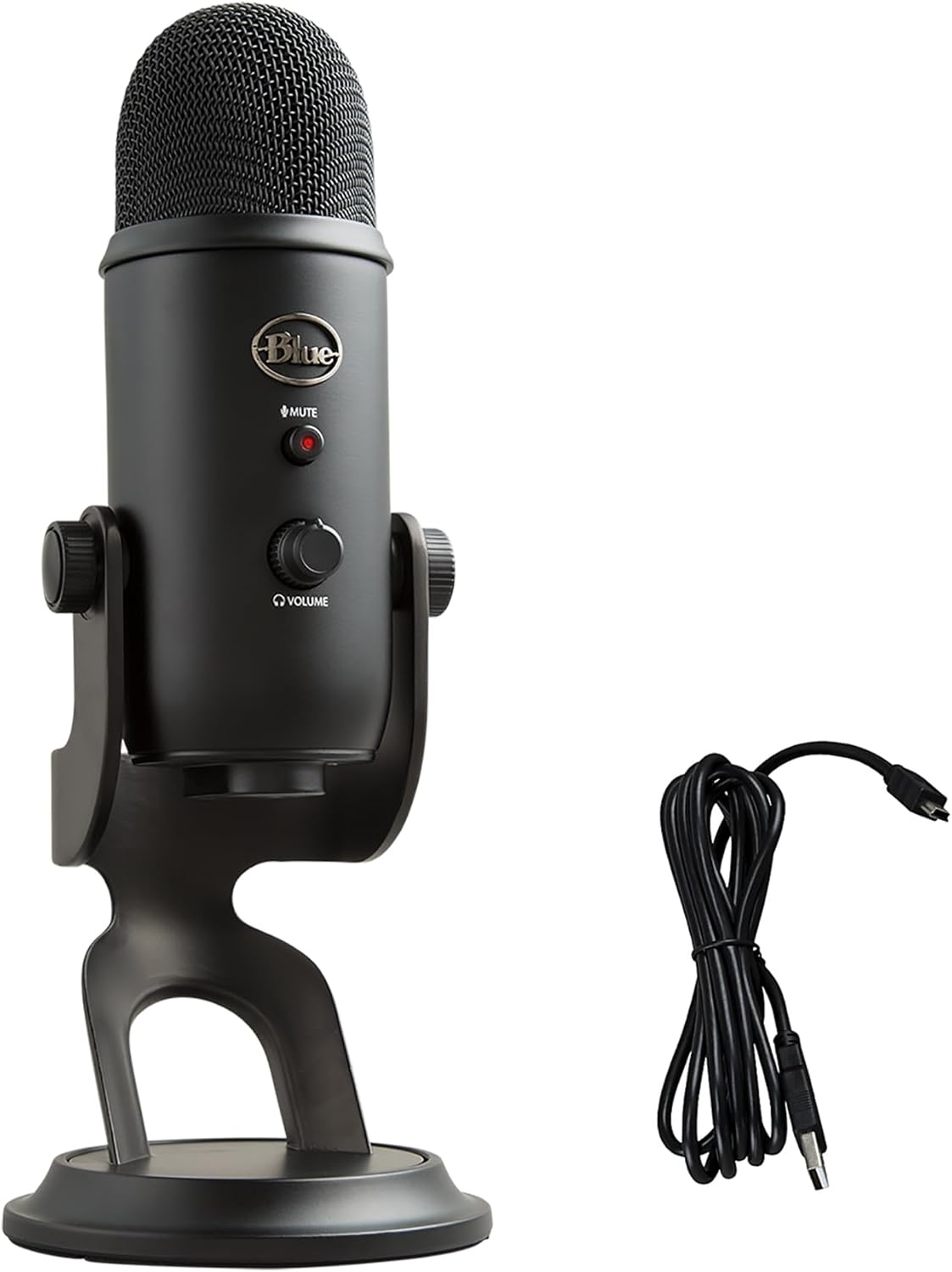
You need more than cardioid — interviews, instrument recording, or ambient capture — and want zero-setup USB plug-and-play without buying an audio interface.
See review →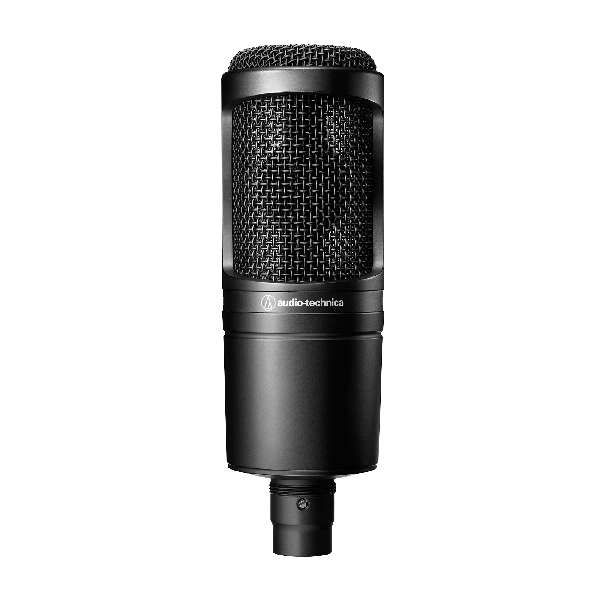
You record solo in cardioid only, already have or will buy an audio interface, and want the higher-scoring, better-value pick in this comparison.
See review →What owners actually say
What buyers love
“I own both the Yeti and AT2020 and the Yeti sounds significantly better. Plus the ability to switch the pickup pattern for recording instruments etc makes it a clear winner for me”
r/buildapc
“Save your money - the 2020 is great and you probably won't use those other features, although they are nice to have”
r/audio
Common complaints
Owners now point to the AT2020 instead
Not unless you can get one dirt cheap on marketplace. The price to performance is terrible nowadays compared to the competition. For cheaper microphones that are still good, The at2020 for a condenser would be better or a sm58 / sm57 for a dynamic would be better.
r/microphoneMuddy mids and harsh highs reported
Mids sounds weird the lows sound muddy and the highs are harsh.
r/audioengineeringA minority call it thin and unusable
Personal opinion, but the AT2020 is the worst mic I’ve ever owned. Unusable thin. It has no long term investment value.
r/audioengineeringSelf-noise flagged for paid voiceover work
And the AT2020 has a fair amount of self-noise.
r/podcastingOn ClearPick's data, the Audio-Technica AT2020 is the stronger buy for most solo streamers and podcasters — it scores 8.9/10 against the Yeti's 7.4, costs about $30 CAD less, and draws fewer complaints about muddy or harsh sound, though it requires a separate audio interface the Yeti doesn't. The Blue Yeti remains the right pick specifically for owners who will actually use more than cardioid mode — two-person interviews, instrument recording, or ambient capture — and want to skip buying an interface. Owners who buy the Yeti for its four patterns and then record solo in cardioid the whole time are the group most likely to regret it, and that pattern shows up repeatedly in the mentions collected here. If you're not sure which camp you're in, the AT2020's higher score and lower complaint rate make it the safer default, provided you're willing to add an interface to the cart. Either way, both mics are condensers, so neither replaces basic room treatment if the space you record in is untreated.