I moved mine to the garage; replaced it with EcoBee. You can control it locally; even if the power is out via Homekit, and they have an open API so you can integrate it into Home Assistant. Plus it looks alot niced and works slicker.
Comparison
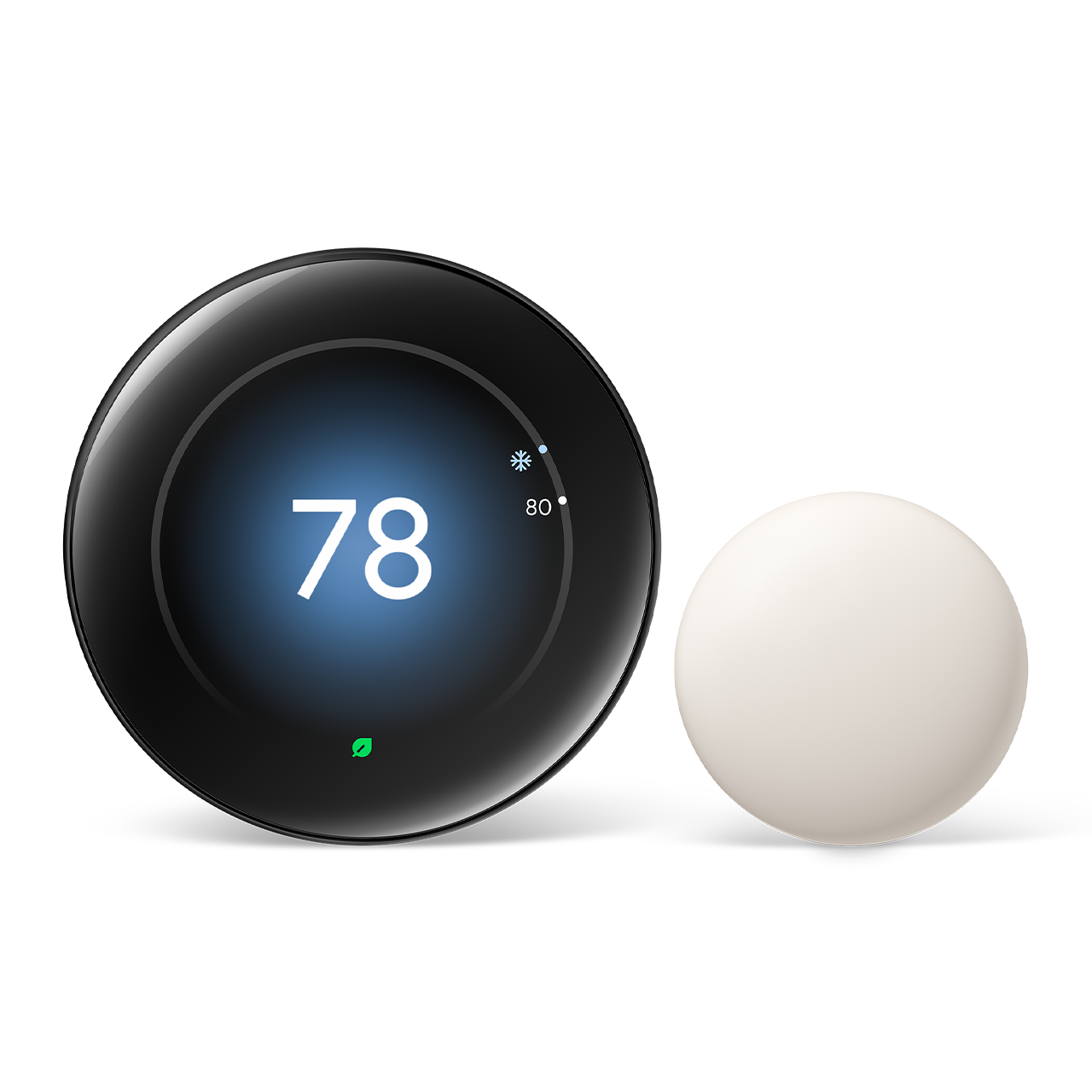
The Google Nest Learning Thermostat (4th Generation) automatically learns your temperature preferences and builds a schedule without any manual programming, now with a 24-bit color display. Available on Amazon.ca (ASIN B0BPVSSH1Y) at around $329 CAD.
5 mentions · 1 threadslast mention Apr 2025
Real comments from Reddit, linked to the original thread. Nothing paraphrased.
I moved mine to the garage; replaced it with EcoBee. You can control it locally; even if the power is out via Homekit, and they have an open API so you can integrate it into Home Assistant. Plus it looks alot niced and works slicker.
The learning "feature" of the Google Nest thermostats is both a joke and pain in the ass. They make it difficult to turn off completely. I gave mine away and bought a Honeywell T6 Pro Z-Wave thermostat. No cloud & no Google! 👍
I'm not putting anymore money into Google products. I'm running the Honeywell Home ProSeries T6 Zwave Thermostats. I installed them a little over a year ago, no issues with them.
I have had the 1st version since 2012. It just died on me last week. I upgraded to the 4th Gen....glad I did. It's added a lot, definitely worth it in my book
If you aren't using the hardware interface, I'm not sure why you think it's an important factor. And, I really wonder what elements of the interface you think are actually better on the Nest. The dial interface is clunky and integration with sensors and accessory devices in the HVAC are not nearly as functional. I switched over to Ecobee years ago and still use the Nest at my parent's house, so I experience both regularly.
This page's score previously came from 5 mentions that all traced back to one r/smarthome thread, skewed negative, and treated as if it reflected a broad pattern of owner experience. That's now been corrected to a capped sample of the 3 highest-upvoted comments from the same thread, preserving the actual sentiment spread. Real complaints survive: one owner switched to an Ecobee for local control and an open API, criticizing the Nest's cloud dependence, and another called the learning feature difficult to turn off, switching to a non-cloud Honeywell thermostat instead. But a third owner who'd used the original 2012 Nest until it died recently upgraded to this 4th-gen model and said it was worth it. This is a small, single-thread sample even after capping — the complaints about cloud dependence and the learning algorithm are worth taking seriously, but they shouldn't be read as a confirmed, widespread problem based on 3 comments.